The decision line
Humans still own judgment
Judgment matters when the answer is uncertain, risky, or tied to real consequences.
By the end, you'll see why AI can produce options, but humans still have to decide what deserves trust.
The tool can give you an answer.
It can rank the options. Draft the plan. Compare the tradeoffs. Predict the risk. Summarize the evidence. Tell you what sounds reasonable.
Then life asks for the part no tool can finish.
Should we trust this?
Should we act?
What happens if we are wrong?
The hard boundary
“Judgment begins when the answer is useful but still not enough.”
This is the mistake people make with AI.
They think the hard part is getting an answer.
Sometimes it is.
But in the places that matter most, the harder part is deciding what to do with the answer.
A tool can tell you the medicine interaction looks low-risk.
A doctor still has to think about the patient in front of them.
A tool can tell you a candidate looks weaker on paper.
A hiring manager still has to ask whether the filter missed the real ability.
A tool can tell you the business move is efficient.
A leader still has to ask who pays the hidden cost.
AI can reduce uncertainty. It cannot remove the human duty to judge what uncertainty remains.
Where judgment appears
The tool produces a possible answer
A draft, score, ranking, prediction, summary, or recommendation.
Reality stays incomplete
Some context is missing, the future is unknown, and the stakes may be uneven.
A human weighs the risk
What if the answer is wrong, biased, incomplete, late, or poorly matched to the situation?
Values enter the decision
Safety, fairness, dignity, trust, speed, cost, care, and long-term damage all compete.
Judgment chooses
Someone decides whether to use, revise, reject, delay, verify, escalate, or own the answer.
Judgment is not a feeling of confidence.
Confidence can be cheap.
A model can sound confident. A manager can sound confident. A student can sound confident. A whole room can sound confident and still be walking toward a bad decision.
Judgment is different.
Judgment is the ability to hold uncertainty without pretending it disappeared.
It asks, "What do we know, what do we not know, what could go wrong, who is affected, and what standard are we using to decide?"
Judgment is what remains after information has done all it can.
The reason judgment matters is simple.
Real life is not a clean prompt.
People hide things. Data is messy. Incentives bend truth. The past may not predict the next case. A rule that works for 90 people may hurt the 91st. A fast answer may be correct and still wrong for the moment.
AI works best when the problem is clear enough to model.
Judgment matters most when the situation refuses to become clean.
The layers of judgment
A real decision has more layers than the answer on the screen.
- 01FactsWhat is true, false, unknown, or uncertain?
- 02ContextWhat is special about this person, place, moment, history, or constraint?
- 03RiskWhat happens if the answer is wrong?
- 04ValuesWhat matters more when every option has a cost?
- 05TimingWhat must happen now, and what should wait?
- 06TrustCan you explain the decision to the person affected by it?
- 07OwnershipAre you willing to stand behind the choice later?
Try this
If AI gave you the right-looking answer, would you know when not to use it?
The dangerous part is fluency.
AI often fails in a way that looks calm.
The answer is formatted. The tone is steady. The reasoning sounds neat. The missing context is invisible because the sentence is clean.
That kind of output lowers your guard.
You stop asking enough questions because the answer already looks like the kind of answer a careful person would give.
This is where weak judgment gets exposed.
The polished trap
“A clean answer can hide a dirty assumption.”
Reinforcing loop
The overreliance loop
The tool sounds right
The answer is fluent, quick, and organized.
The human checks less
The effort of judgment feels unnecessary.
The answer gets used
It becomes a message, decision, policy, report, grade, or recommendation.
Reality pushes back
Missing context, bad data, bias, or edge cases appear.
Blame moves elsewhere
The person says the tool made the call, and the same weakness survives.
feeds the start
This is why "human oversight" can be fake.
A human can be present and still not judging.
If they are rushed, undertrained, afraid to disagree, unclear on the stakes, or expected to approve the output, their presence becomes decoration.
The screen says a human reviewed it.
The reality says a human clicked through.
Judgment needs authority.
It needs time.
It needs skill.
It needs permission to say no.
A human in the loop means little if the human cannot slow the loop down.
This is why experts still matter.
An expert does more than know facts.
An expert knows when a fact is being used badly.
They know which detail looks small but changes the case. They know which shortcut is dangerous. They know which result is suspicious. They know when the average answer will hurt the unusual person.
Good judgment is often the ability to notice the one thing the system treated as ordinary.
Expertise is not having more answers. It is knowing which answer should make you uneasy.
But what about…
The honest pushback
“AI can make better predictions than humans in some cases.”
Yes. Better prediction can improve decisions. It still does not decide which error is acceptable, who bears the cost, or when the context makes the prediction dangerous.
“Humans are biased too.”
True. Human judgment needs checks, standards, evidence, and humility. The answer to human bias is not blind machine trust. It is disciplined judgment with better tools.
“Sometimes the data is clear.”
Good. Clear data should shape the decision. Judgment still decides whether the data measures the right thing and whether the action fits the stakes.
“AI can explain its reasoning.”
It can produce an explanation. A human still has to judge whether the explanation is true, sufficient, and tied to real evidence.
“Slowing down costs money.”
So do bad decisions. The level of review should match the level of consequence.
The normal person needs this every day now.
AI tells you how to respond to a friend.
Judgment asks whether your friend needs efficiency or honesty.
AI gives you career advice.
Judgment asks whether the safe option is wisdom or fear.
AI summarizes an article.
Judgment asks whether the source is worth trusting.
AI writes your assignment.
Judgment asks whether submitting it helps you become the person the grade is supposed to represent.
The tool can move faster than your conscience.
Do not let it.
Where judgment quietly matters
Trust
Knowing when an answer has earned belief.
Risk
Knowing what could happen if the answer fails.
Context
Knowing what makes this case different.
Fairness
Knowing who may be harmed by a clean-looking rule.
Taste
Knowing whether the work is actually good.
Timing
Knowing whether the right action is right now.
Restraint
Knowing when the smartest move is not to act yet.
The deepest layer is values.
Every hard decision eventually reaches a point where facts alone cannot carry it.
Two options can both be legal.
Two plans can both be efficient.
Two answers can both be defensible.
Then the real question appears.
What kind of person, team, company, school, or society are we becoming by choosing this?
AI can help describe the options.
Humans still choose the standard.
The value line
“Judgment is where intelligence meets values under pressure.”
This matters because many people want AI to remove the discomfort of choosing.
They want the tool to say the best major, the best job, the best message, the best strategy, the best investment, the best person to hire, the best thing to do next.
Sometimes the tool can help.
But wanting a recommendation is often easier than admitting what you value.
The answer may be uncertain because life is uncertain.
The risk may be unavoidable because every path costs something.
The decision may be yours because nobody else can live the consequence for you.
AI can reduce the burden of analysis. It cannot remove the burden of choosing.
The strongest people in the AI age will not be the ones who reject the tool.
They will use it.
They will ask better questions, compare options, test assumptions, find weak points, and move faster where speed is safe.
Then they will stop at the judgment line.
Is this true enough?
Is this fair enough?
Is this safe enough?
Is this human enough?
Is this worth doing?
Those questions cannot be automated away without automating away the person.
The judgment stack
Use this before trusting an AI answer that matters.
- 01Define the decisionWhat choice is actually being made?
- 02Name the stakesWho can be helped or harmed?
- 03Check the sourceWhat evidence supports the answer?
- 04Test the oppositeWhat would make this answer wrong?
- 05Find the missing contextWhat does the tool not know?
- 06Choose the standardWhat value decides between imperfect options?
- 07Own the resultCan you defend the choice after consequences arrive?
The "test the opposite" step is important.
A weak user asks AI to confirm what they already want.
A stronger user asks what would break the answer.
What assumption is doing the most work?
What data would change the conclusion?
Who would disagree, and why?
What edge case makes this unsafe?
Where might this be polished nonsense?
Judgment grows by making the answer fight for trust.
A serious decision deserves an answer that has survived opposition.
Once you see this, AI becomes less magical and more useful.
It becomes a thinking partner, not a judge.
A second set of eyes, not a final authority.
A fast analyst, not a moral adult.
A pattern finder, not a person who understands the full cost of being wrong.
That is the right place for it.
Powerful.
Limited.
Useful because it is limited.
AI-dependent thinking versus human judgment
AI-dependent thinking
- Asks for the answer.
- Trusts fluency.
- Avoids uncertainty.
- Treats the output as authority.
- Outsources discomfort.
- Blames the tool.
Human judgment
- Defines the decision.
- Checks evidence.
- Holds uncertainty.
- Treats the output as input.
- Chooses the standard.
- Owns the result.
The final truth is clean.
Judgment matters when the answer is uncertain, risky, or tied to real consequences.
Those are exactly the moments where people most want a tool to rescue them.
But the harder the decision, the less acceptable it is to hide behind the answer.
If a choice can affect someone's health, job, money, dignity, trust, safety, future, or sense of being treated fairly, the human layer becomes more important.
The tool can help.
The human must judge.
The final line
“AI can give you a recommendation. Judgment decides whether the recommendation deserves to become reality.”
So use AI carefully.
Let it widen your view.
Let it challenge your first answer.
Let it reveal patterns you missed.
Let it make routine work faster.
Then return to the old human burden.
Think.
Weigh.
Question.
Choose.
Own.
Because when the consequence arrives, nobody will be comforted by the sentence, "The tool suggested it."
They will ask who decided to trust it.
Humans still own judgment because consequences do not happen to tools. They happen to people.
Sources
Sources
Research-backed starting points on AI risk, human oversight, reliance, uncertainty, and why judgment matters in high-stakes decisions.
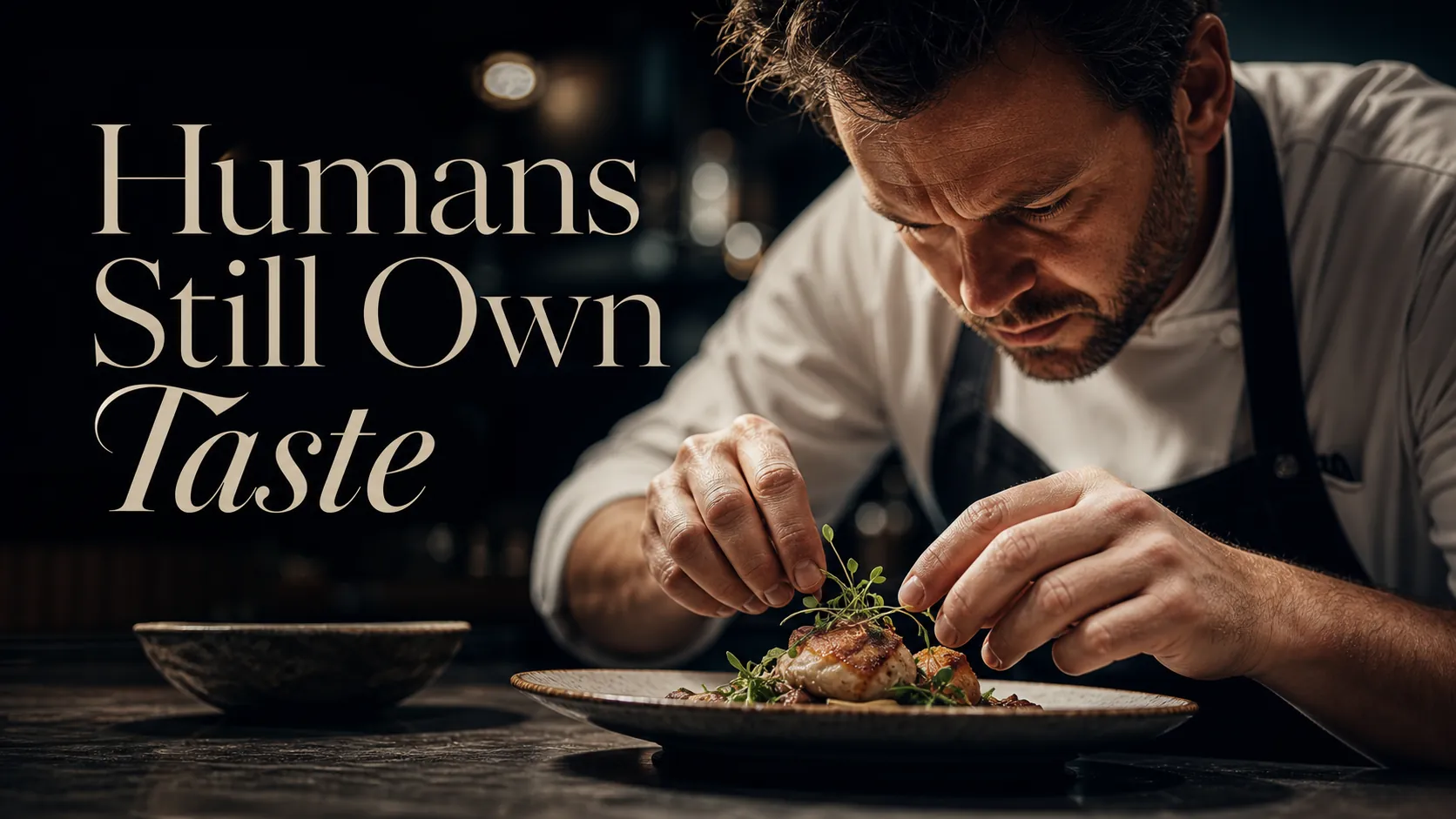
Humans Still Own Taste
Taste decides which output fits the moment instead of merely existing.
A different path through the library.
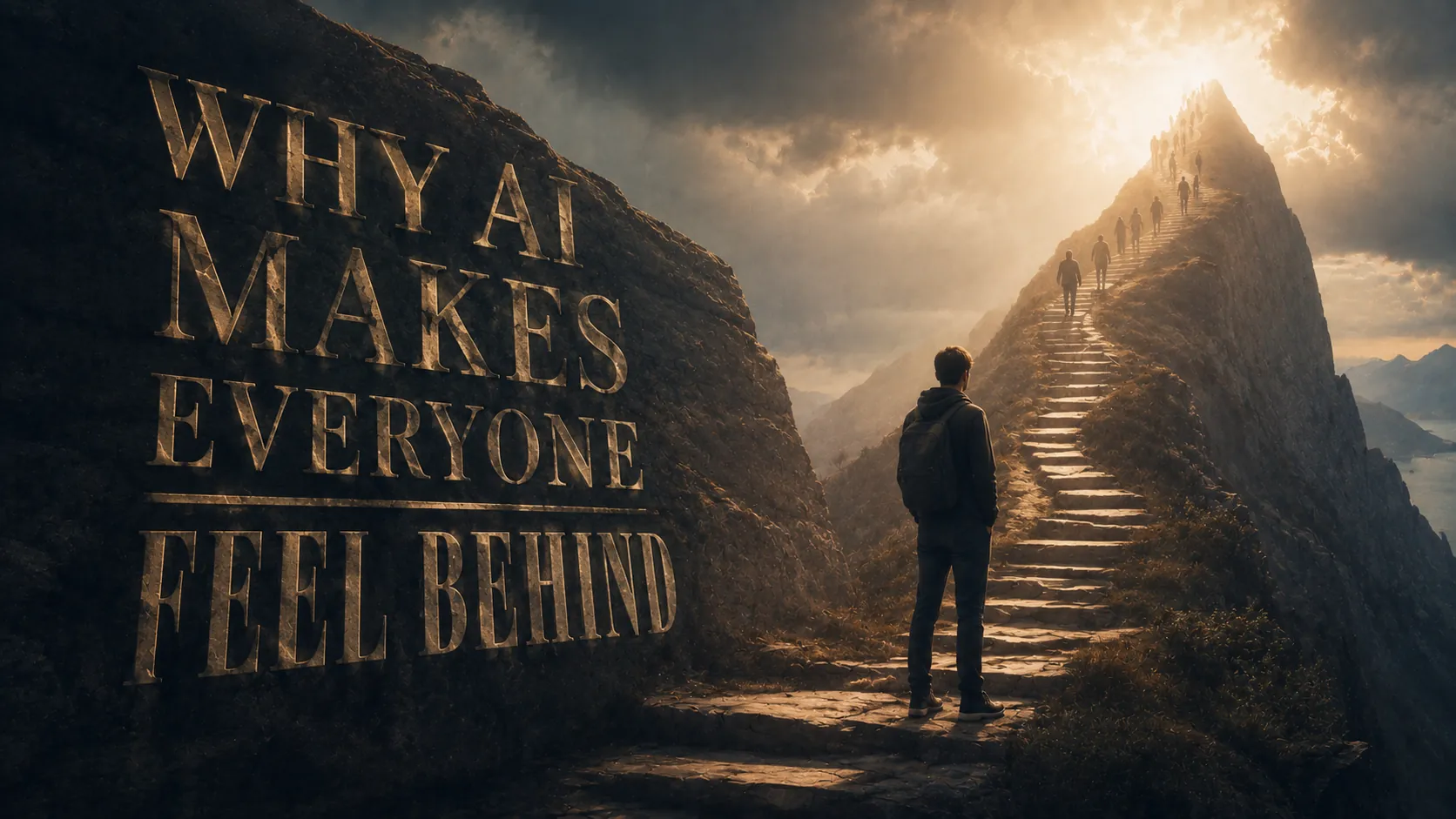
AI feels overwhelming because the ground keeps moving before people can adjust.
Why AI Makes Everyone Feel Behind
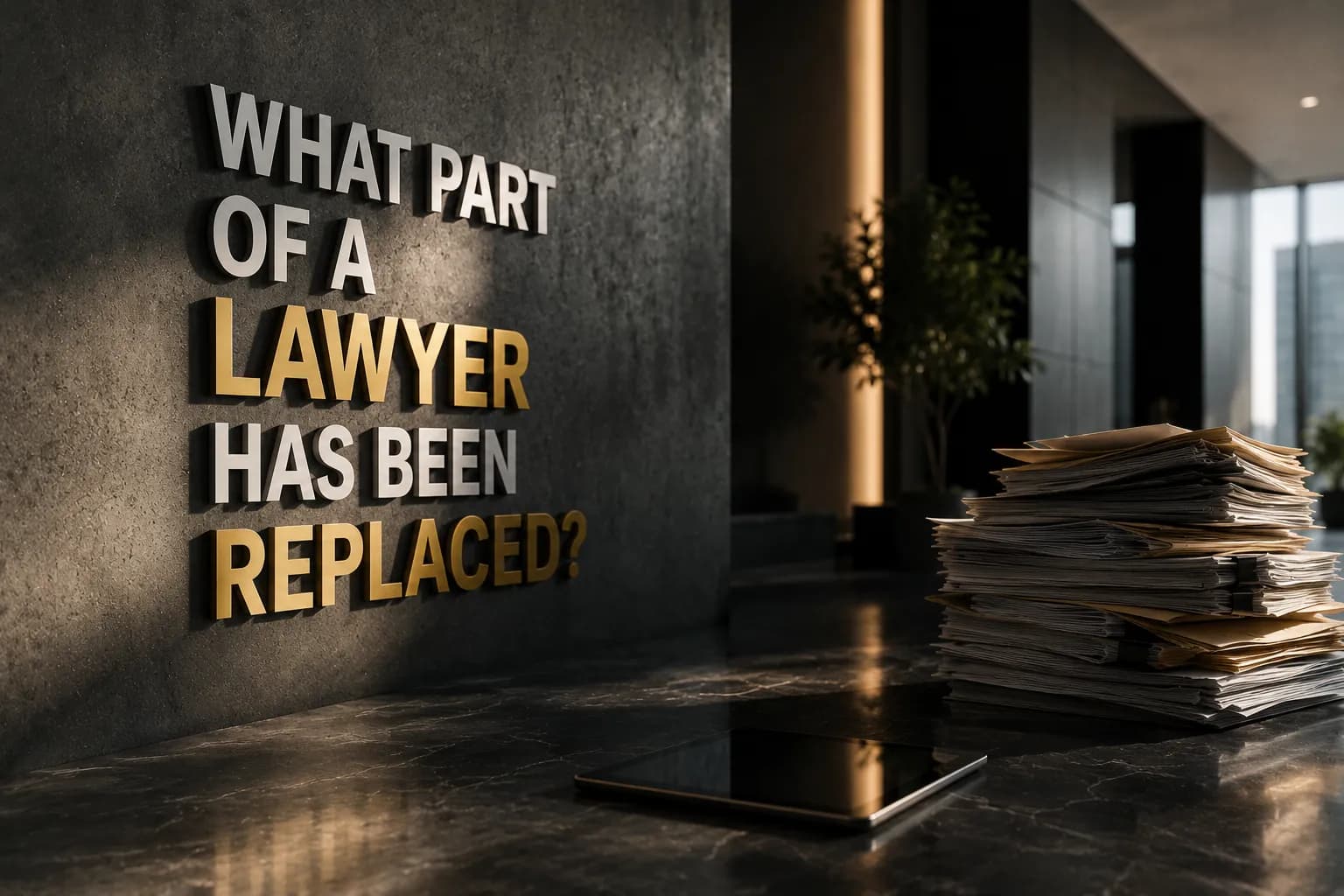
AI can draft, summarize, and search, but strategy, risk, negotiation, and accountability still belong to people.
What Part of a Lawyer Has Been Replaced?
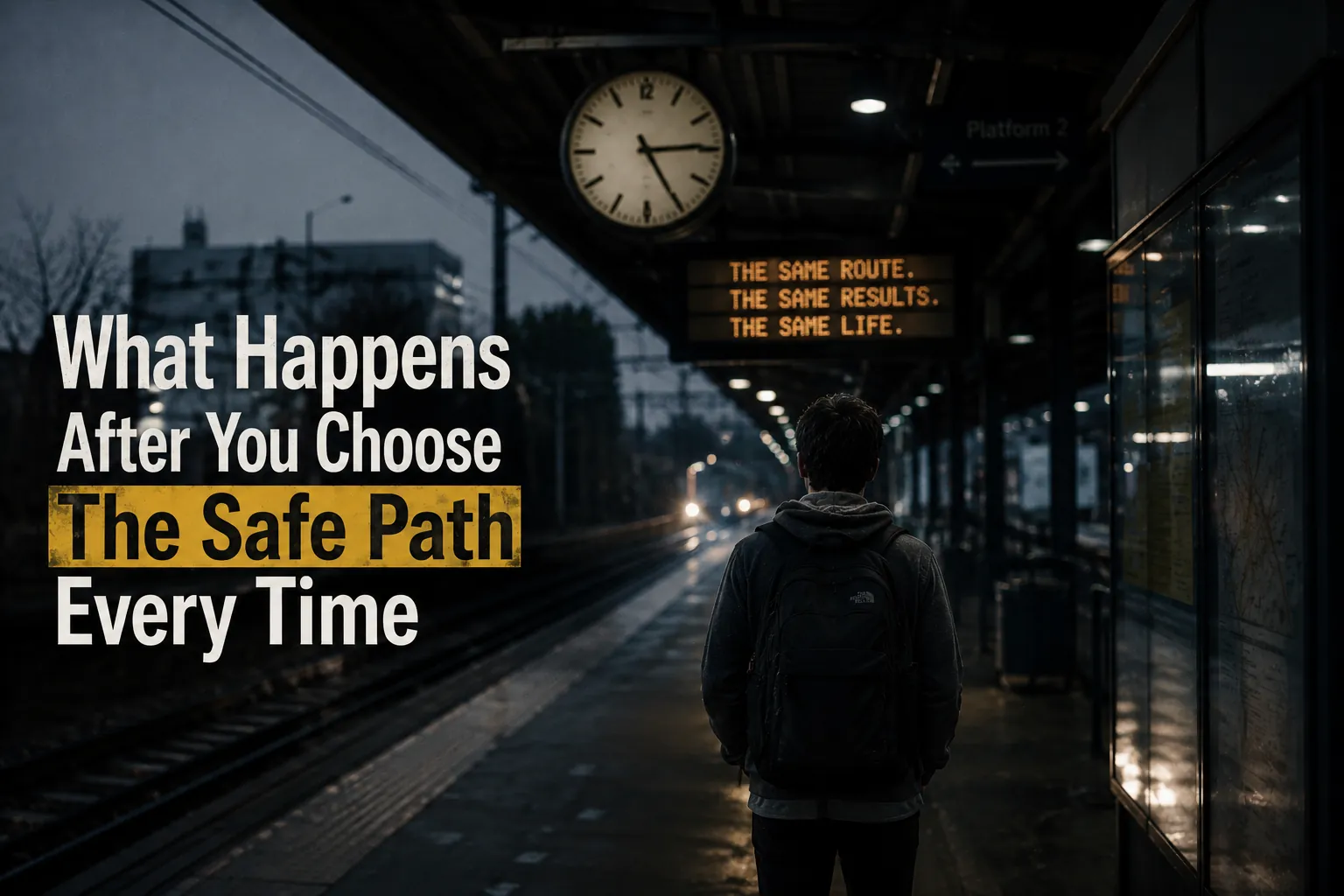
Safety feels mature until it becomes the quiet architecture of regret.