The romance classroom
When pop stars teach you love
Watching stars cheat, break up, and move on feels harmless until it quietly changes what loyalty and love seem like.
By the end, you'll see why celebrity romance can train your heart without asking permission.
You think you're watching drama.
A singer deletes old photos. A couple unfollows each other. A blurry club video appears at 2 a.m. The internet starts building the case before anyone involved has spoken.
It feels like entertainment.
Then one day, your own relationship feels boring because nobody is suffering loudly enough.
The strange part is how innocent it feels.
You're scrolling. You're joking. You're reading comments with a snack in your hand. You don't think a celebrity breakup can touch your actual life.
But your brain learns from repetition.
It learns what gets attention. It learns what people defend. It learns which betrayal gets turned into an aesthetic, which apology becomes a tour, which heartbreak becomes a new era.
Slowly, romance stops looking like a private covenant between 2 people.
It starts looking like content with better lighting.
How celebrity romance becomes emotional training
The story appears everywhere
Posts, edits, lyrics, podcasts, clips, comments, theories.
The crowd picks roles
One person becomes the villain. One becomes the wounded genius. One becomes the upgrade.
The pain gets stylized
Cheating becomes a storyline. Grief becomes an era. Moving on becomes proof of power.
The audience rehearses judgment
You learn who deserves sympathy, who deserves shame, who deserves a second chance.
The script follows you home
Real love starts getting measured against public drama.
emotional rehearsal
Celebrity love does not need to be true to train you; it only needs to be repeated.
The feed is always on
Teen love lessons now arrive through near-constant screens
You open your phone for a song, a clip, a breakup theory, a comment war. For many teens, that is not a side window into love. It is the room they keep walking back into.
How to read thisEach bar is the share of U.S. teens who use the platform.
U.S. teens using major online platforms in 2024, where celebrity romance is watched, clipped, debated, and replayed.
NoticeNine in ten teens use YouTube, and about six in ten use TikTok or Instagram.
If your idea of love feels cinematic, messy, or constantly watched, ask how many hours of other people's relationships trained that instinct before you ever dated.
Behind the numbers
Source: Pew Research Center, 2024. Survey of 1,391 U.S. teens ages 13 to 17, conducted Sept. 18-Oct. 10, 2024 through Ipsos KnowledgePanel and weighted to represent U.S. teens living with parents. Platform-use figures: YouTube 90%, TikTok 63%, Instagram 61%, Snapchat 55%, Facebook 32%, WhatsApp 23%, X 17%, Reddit 14%, Threads 6%. Pew also found 46% of teens say they are online almost constantly, up from 24% about a decade earlier.
Verify the data ↗Bottom line — When romance becomes background media, your private standards can start borrowing from public performance.
The lesson is not one scandal. It is repetition: the breakup clip, the apology post, the theory thread, the comeback song. After enough loops, drama can start to look like depth.
This is where the curtain moves.
You were never watching romance alone.
You were watching romance with a crowd.
And crowds do something dangerous to love: they reward whatever creates the strongest reaction.
Quiet loyalty creates almost no reaction. A private apology creates almost no reaction. Two people repairing something gently creates almost no reaction.
But betrayal has heat.
A rebound photo has heat. A revenge lyric has heat. A public breakup has heat. A new partner arriving too soon has heat.
The crowd teaches your nervous system that intensity means importance.
Once drama becomes the proof of love, peace starts feeling suspicious.
What the feed quietly teaches
Real love
- Loyalty happens when nobody is watching.
- Repair is slow, awkward, and private.
- Trust grows through boring repetition.
- Commitment often looks calm from the outside.
Celebrity love as spectacle
- Loyalty becomes a public test.
- Repair becomes an image problem.
- Pain becomes a brand moment.
- Moving on becomes a performance of power.
This matters because most people don't copy celebrities directly.
They copy the emotional math.
If a star cheats and still gets worshipped, betrayal starts to look survivable when the person is talented enough, beautiful enough, desired enough.
If a star breaks someone's heart and turns it into an album, pain starts to look useful when it produces attention.
If a star moves on in 3 weeks and the internet calls it iconic, detachment starts to look stronger than grief.
That is the shift.
The behavior may stay far away. The meaning comes closer.
The distortion has layers
The damage rarely enters as a belief. It enters as a feeling.
- 01AttentionYou start noticing the parts of love that would make a good post.
- 02DesireStable affection feels smaller because it has no audience.
- 03LoyaltyCommitment starts looking weak when the culture keeps praising options.
- 04PainHeartbreak starts feeling more meaningful when it can be witnessed.
- 05IdentityYou begin asking what your relationship says about you instead of what it does to you.
the distortion
The feed does not just show love stories; it makes people compare, monitor, and doubt their own.
Try this
How much of what you call romance is actually the feed teaching your heart to crave evidence?
The most dangerous lesson is subtle.
Celebrity romance teaches you to see people as chapters.
This was my healing era. This was my villain era. This was my soft launch. This was my lesson. This was my upgrade.
The language sounds playful.
But under it, a person becomes material for your self-image.
Someone loved you. Someone failed you. Someone chose you. Someone left you. Now the story must make you look desirable, wise, untouchable, or new.
Real loyalty cannot survive for long inside a life where every person becomes part of your brand.
Reinforcing loop
The path if you keep going
You consume public love stories
Your brain sees romance through betrayal, comeback, desire, and public approval.
Quiet love feels underwhelming
Calm starts to feel like missing chemistry.
You seek stronger signals
Jealousy, chase, tension, confession, apology, proof.
Trust becomes harder to feel
Safety looks too plain after constant spectacle.
You return to the feed
The feed gives you sharper feelings than real life, so real life keeps losing.
feeds the start
Keep heading in this direction and the damage will look like taste.
You'll say you have high standards when you actually need constant stimulation.
You'll say you want passion when you actually want uncertainty with a beautiful soundtrack.
You'll say loyalty is rare while giving most of your attention to people who treat betrayal like a plot twist.
You'll become fluent in red flags and clumsy with green ones.
A person who replies consistently will feel flat. A person who makes you guess will feel electric. A relationship with no public drama will feel invisible. A love that protects your nervous system will feel too ordinary to trust.
That is how the feed wins.
It trains you to mistake emotional injury for depth.
Some people lose the ability to recognize healthy love because it arrives without the theater they were trained to expect.
But what about…
The honest pushback
“It's just celebrity gossip.”
A single story may mean nothing. Repeated stories become a pattern your mind can use.
“I know their lives are fake.”
Knowing something is staged does not stop it from shaping what feels exciting.
“Music about heartbreak helps people.”
It can. The danger begins when pain becomes the only version of love that feels real.
“Public figures choose fame.”
Fame explains the exposure. It does not make their relationships good teachers for yours.
The deeper problem is scale.
Your grandparents may have heard about one messy relationship in town.
You hear about hundreds.
You see betrayal in 4K. You see apologies in Notes app screenshots. You see people announce private endings to millions of strangers. You see strangers investigate timelines like unpaid detectives.
Then your own love life has to compete with a machine built to make ordinary care feel dull.
Of course commitment feels harder.
You are asking a real person to compete with edited chaos.
What it quietly changes in you
You start needing proof.
Loyalty stops feeling real unless it is displayed, posted, defended, or dramatized.
You confuse access with intimacy.
Knowing every update about someone's relationship starts to feel like understanding love.
You become suspicious of peace.
A calm bond feels empty because your body expects conflict to confirm importance.
You treat people like eras.
Instead of asking who they are, you ask what chapter they represent in your life.
You reward detachment.
Moving on fast starts looking strong, even when it is grief wearing sunglasses.
You forget the private standard.
The question becomes "How does this look?" before "How does this feel when nobody is watching?"
The way out begins with a hard separation.
Celebrity romance can be art. It can be gossip. It can be a mirror for cultural obsession.
It should never become your map.
Your map has to be smaller and more honest.
How does this person act when they gain nothing from being kind?
Can they tell the truth when a lie would protect their image?
Do they repair harm without turning it into a performance?
Can your nervous system rest around them?
Do you become more yourself, or more watchable?
The real test of love is what survives when nobody can clap for it.
Once you see this, celebrity romance becomes harder to consume the same way.
The cheating scandal is no longer just a scandal. It is a lesson about what people excuse when beauty, fame, and talent are attached.
The breakup post is no longer just a post. It is a lesson about how easily private grief gets turned into public identity.
The rebound is no longer just gossip. It is a lesson about how fast the culture replaces repair with replacement.
The comment section is no longer just noise. It is a courtroom where strangers keep rewriting the meaning of loyalty.
And your own heart is sitting there, taking notes.
The private standard
Use this when the spectacle gets loud.
- 01AttractionChemistry matters, but it cannot carry the whole moral weight of love.
- 02LoyaltyThe real version happens in choices nobody can screenshot.
- 03RepairApology means changed behavior, not better wording.
- 04PrivacyA bond that needs an audience is already leaking power.
- 05PeaceCalm love may feel unfamiliar before it feels safe.
The point is not to hate pop stars.
The point is to stop letting famous strangers define what your heart expects from ordinary people.
A celebrity can turn betrayal into a song.
You still have to live inside the wound.
A celebrity can call a breakup a new era.
You still have to sit in your room and decide whether you know how to stay when love gets quiet.
A celebrity can make chaos look beautiful for 3 minutes on a stage.
You still have to build a life with someone after the lights go off.
Love is not proven by how cinematic it looks from the outside. It is proven by how safe, honest, and alive it feels from the inside.
That is the revealed thing.
Celebrity romance is not dangerous because famous people are worse than everyone else.
It is dangerous because their pain gets packaged better than most people's peace.
And once packaged pain becomes your model, healthy love starts looking too plain to trust.
Protect yourself from that.
Let songs be songs. Let gossip be gossip. Let public heartbreak stay where it belongs.
Then return to the private standard.
The person who keeps choosing you when nobody is watching may never trend.
They may also be the first real love your nervous system has ever been allowed to recognize.
If pop stars teach you love, you may learn drama. If reality teaches you love, you may finally learn loyalty.
Sources
Sources
Research-backed starting points on parasocial bonds, media effects, observational learning, and romantic expectations.
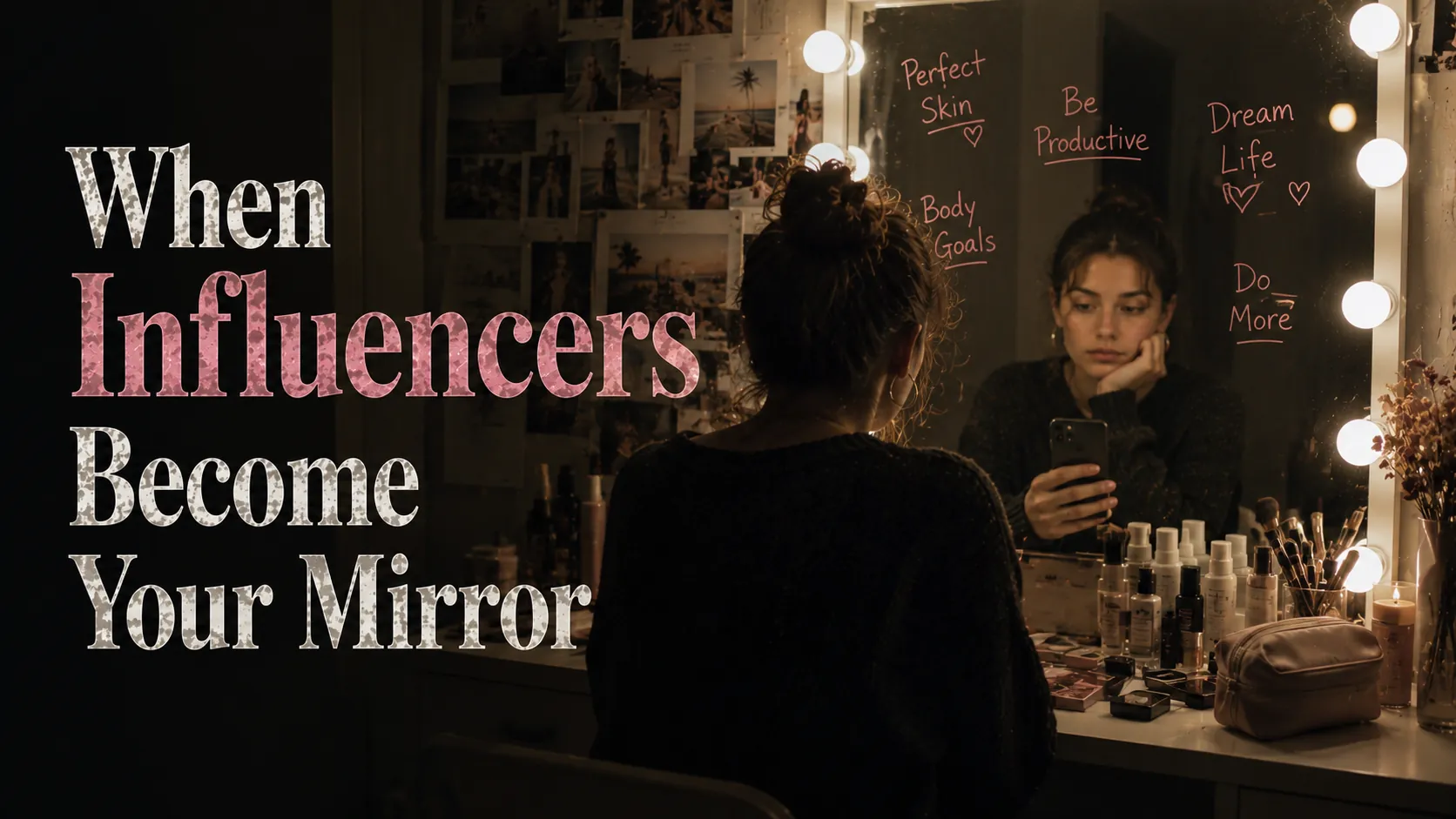
When Influencers Become Your Mirror
Influencers feel inspiring until their curated lives become the standard you use to judge yourself.
A different path through the library.
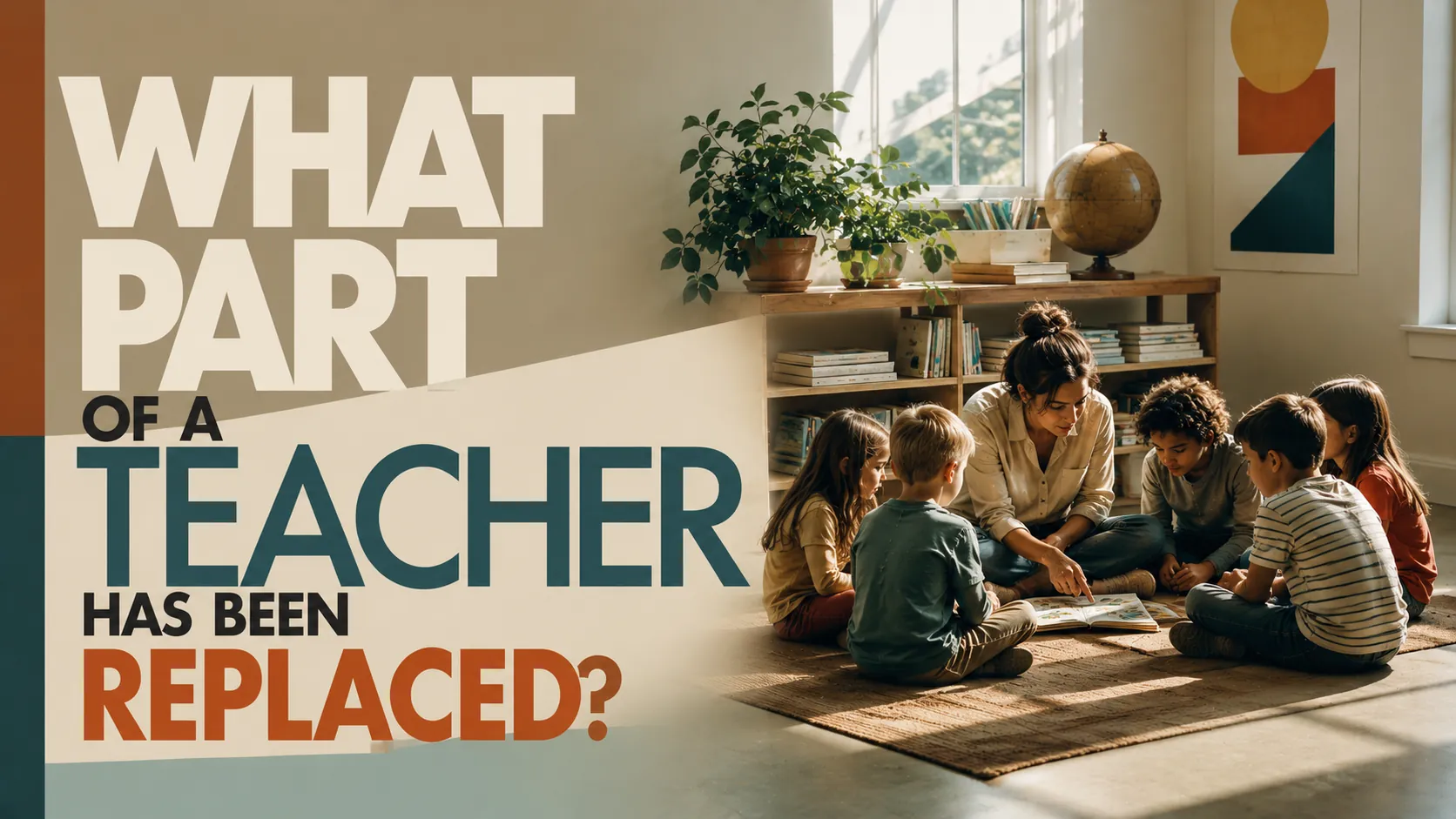
AI can explain and quiz, but teachers still guide motivation, context, care, and judgment.
What Part of a Teacher Has Been Replaced?
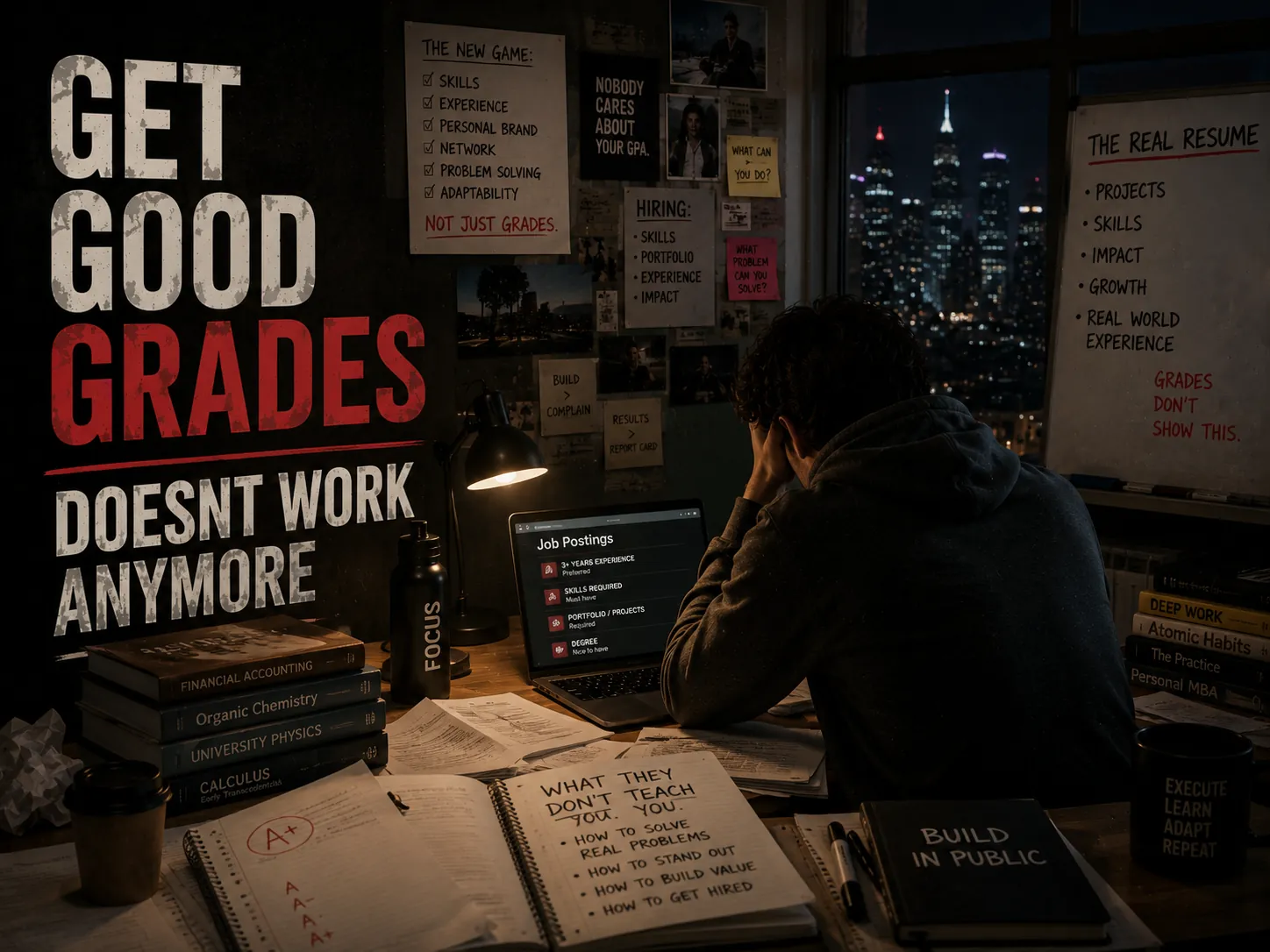
Grades once signaled competence, but now proof-of-skill, projects, taste, communication, and applied judgment matter more.
Get Good Grades Doesnt Work Anymore
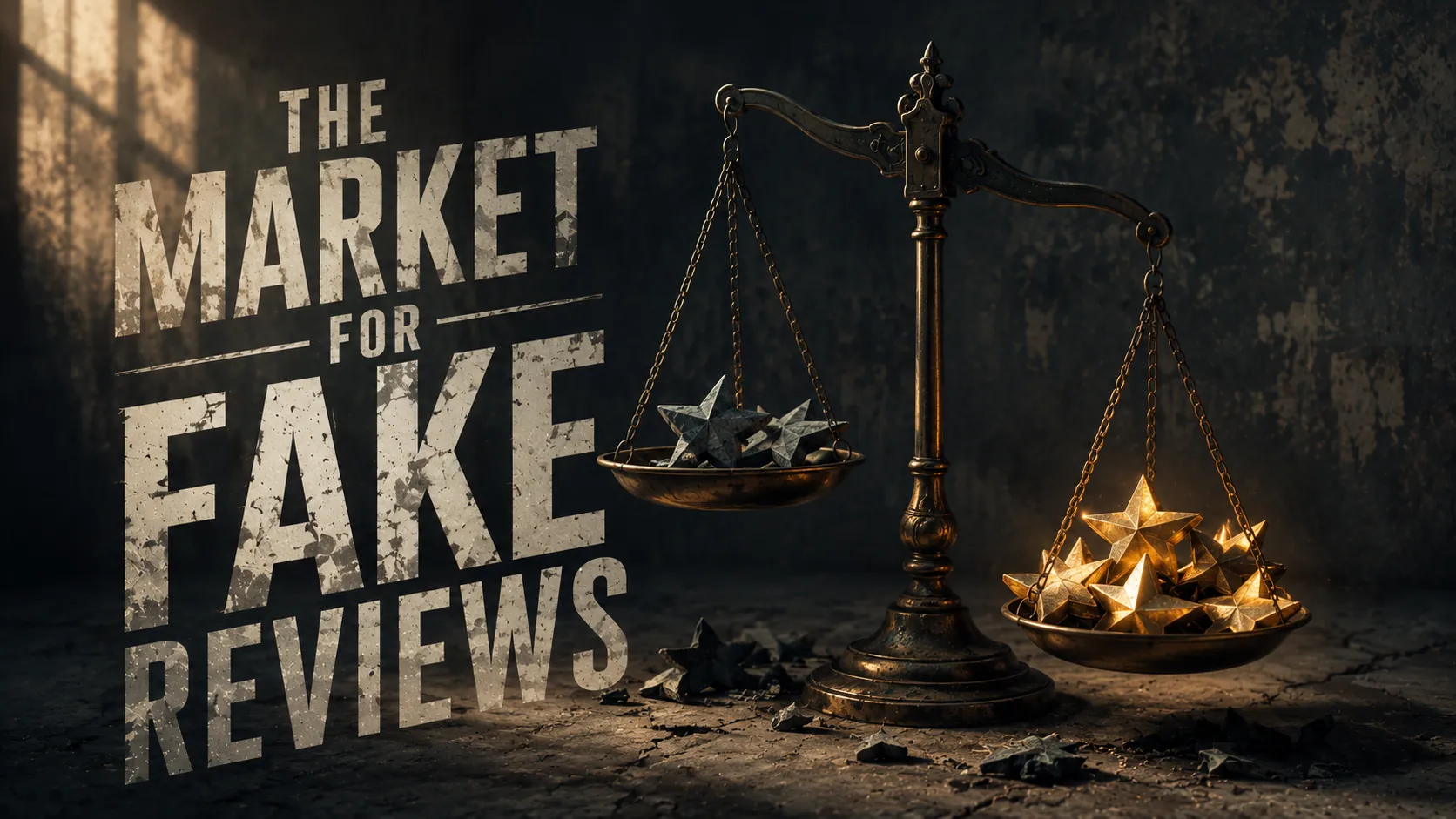
Fake reviews exist because online trust became a scoreboard, and once ratings moved money, businesses learned to buy belief.