Article

The architecture of impulse

The Button That Changed Shopping

One easier button can turn hesitation into buying.

This is not a story about a button. It is a story about the moment shopping stopped being a decision and became a reflex.

The most dangerous store in the world does not need a door.

There is no parking lot.

No entrance.

No cart with a bad wheel.

No cashier watching you reconsider.

No walk through aisles where time has a chance to cool your desire.

There is only a product, a screen, and a button.

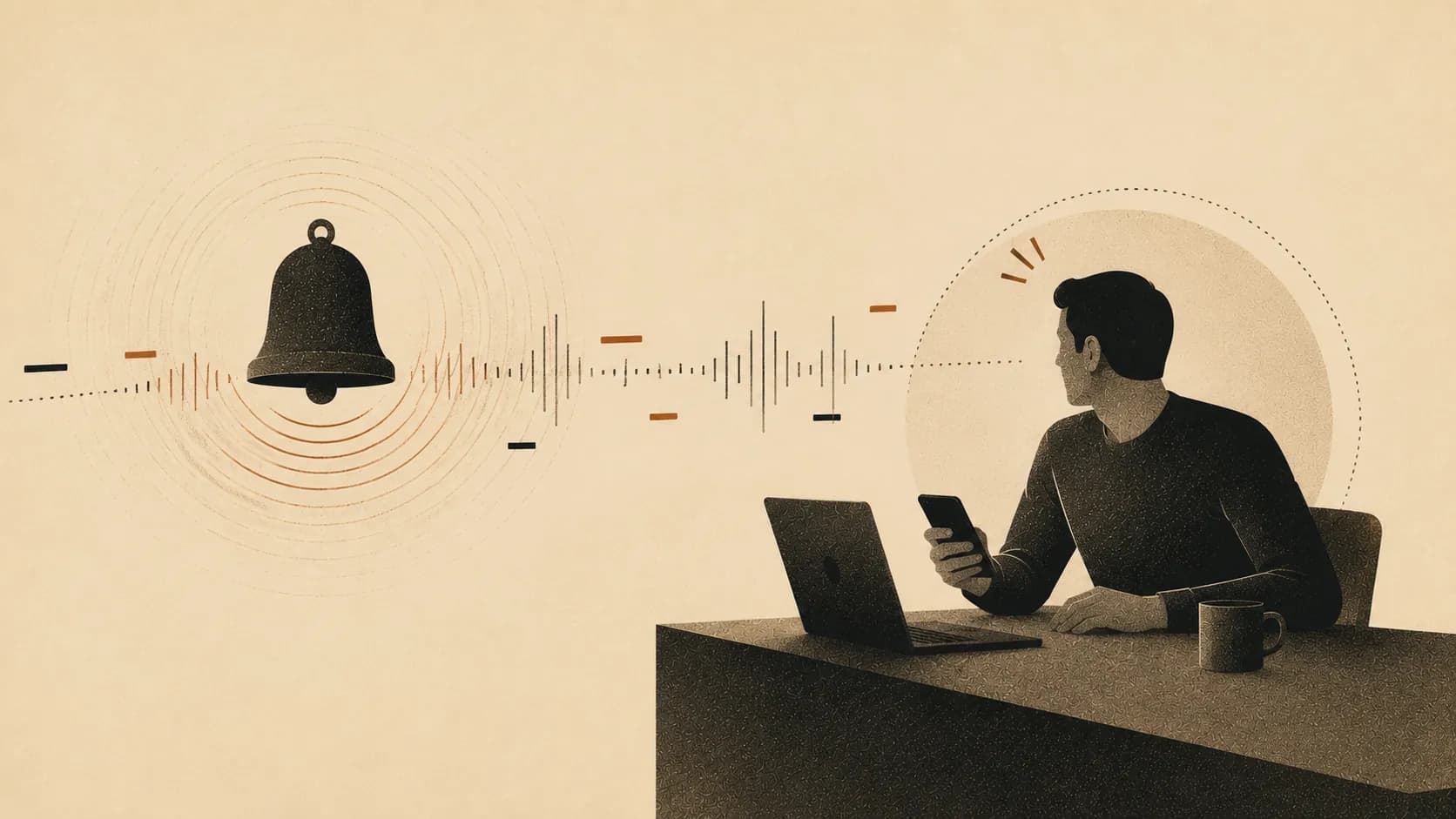
And for one second, your finger hovers over it.

That second is where the old world of shopping used to live.

Bottom line — The button became powerful because it moved the entire store into the smallest possible moment.

1second

One second used to contain doubt, comparison, memory, guilt, patience, and self-control. The easier button was built to collapse that second.

  • interrupt
  • personal anchor
  • loss frame

Bottom line — The most profitable interface is the one that removes the pause where reason could enter.

Core thesis

The button that changed shopping did not create desire. It removed the friction that gave desire time to become a decision.

Try this

What changed when buying became easier than thinking?

The product did not change. The distance between impulse and ownership did.

  • Hesitation lost its hiding place.
  • The cart stopped being a container and became a countdown.
  • Shopping moved from deliberate action to compressed reflex.
  • The buyer had less time to become a wiser version of themselves.

Bottom line — The button matters because it attacks the space between wanting and reconsidering.

shopping as journey vs. shopping as reflex

Before the button

  • You had to go somewhere.
  • You had to find the product.
  • You had to carry it or place it in a cart.
  • You had to stand in line.
  • You had several chances to change your mind.

After the button

  • The store came to you.
  • The product found you.
  • The cart became invisible.
  • Payment became background.
  • The decision compressed into a tap.

Bottom line — Old shopping gave hesitation multiple rooms to breathe. Modern shopping tries to suffocate hesitation before it speaks.

A button looks simple because the machinery is hidden underneath.

The surface is a rectangle. The system below it is a behavioral engine.

  1. 01Surface

    A button says buy, order, checkout, subscribe, confirm, add, claim, upgrade, or continue.

  2. 02Interface

    The button removes steps, hides complexity, remembers payment, stores addresses, and makes the next action obvious.

  3. 03Psychology

    The buyer feels less resistance because the transaction no longer feels like a full event.

  4. 04Business

    Every removed step reduces abandonment. Every reduced pause increases the chance that desire becomes revenue.

  5. 05Civilization

    Shopping changes from a place people visit into a reflex built into every screen.

The button is the surface. The business model is the disappearance of hesitation.

How one easier button turns hesitation into buying

  1. 01

    Desire appears

    A product, image, discount, recommendation, review, video, or sudden mood creates a small spark of wanting.

  2. 02

    Friction would normally slow the buyer

    A login, a form, shipping details, card numbers, a long checkout, or a second thought would give the impulse time to weaken.

  3. 03

    The button collapses the path

    Stored payment, saved address, autofill, one-click checkout, express pay, and instant confirmation make buying feel smaller than reconsidering.

  4. 04

    The buyer crosses the line before the feeling changes

    The purchase happens while desire is still warm and doubt has not fully assembled itself.

Bottom line — The button is a bridge built over the valley where restraint used to live.

The hidden product

The button does not sell the item. It sells escape from the effort of deciding.

SURFACE-SYSTEM requires a rows array (3–10 pairs).

The cart used to be a theater of doubt.

A shopping cart is not just a container.

It is a waiting room for desire.

You place something inside, then carry it around while your future self gets a chance to speak.

Do I need this?

Can I afford this?

Will I actually use this?

Is this who I am, or just who I became for five minutes?

The easier button changed the drama.

It cut the waiting room.

Bottom line — The cart gave doubt time. The button takes time away.

One tap contains several invisible collapses.

Visible action

press

confirm

one purchase

This is the part the customer notices.

Time collapse

no walk

no line

no checkout friction

pause removed

The buyer has less time to reconsider.

Identity collapse

want

self-image

future fantasy

desire intensified

The product feels like a shortcut to a version of the self.

Business capture

less abandonment

faster payment

higher conversion

revenue accelerated

The company earns because fewer thoughts stand between impulse and purchase.

The language of accelerated buying

The button does not only ask you to buy. It tells you how to feel about buying.

Each label carries a tiny psychological command.

  1. Buy now

    Turns purchase into urgency and makes delay feel like loss.

  2. Add to cart

    Softens the decision by making ownership feel temporary before it becomes real.

  3. One-click checkout

    Makes payment feel like a gesture instead of a financial decision.

  4. Subscribe and save

    Turns one moment of motivation into a recurring commitment.

  5. Claim offer

    Makes spending feel like capturing value before it disappears.

  6. Continue

    Hides the size of the decision by making the next step feel automatic.

Bottom line — A button label is not just text. It is a tiny script for behavior.

What the button says vs. what the button does

What the system says

Says: complete your purchase

What the system does

Does: shrink the gap between desire and consequence until the consequence arrives before reflection

The most important part of modern checkout is that payment stopped feeling like payment.

Cash made spending physical.

You handed something over.

A card made spending lighter.

A saved card made it almost invisible.

A wallet button made it feel like permission.

Then the phone remembered your face, your thumb, your address, your card, your preferences, your history, and your impatience.

Shopping did not become easier by accident.

It became easier because every second of friction was a leak in the pipe that carried desire into money.

Bottom line — The closer payment gets to invisibility, the more buying feels like continuing rather than choosing.

visible money vs. invisible money

When money was visible

  • You felt the bills leave your hand.
  • You watched the wallet get thinner.
  • The transaction had weight.

When money became invisible

  • Your saved card does the work quietly.
  • Your phone approves the purchase instantly.
  • The emotional weight arrives later, if it arrives at all.

Bottom line — When payment loses texture, spending loses pain.

The button sits at the top of a desire machine.

By the time you see the button, the system may have already done most of the work.

  1. 05Conversion

    The button captures the desire before the spell breaks.

  2. 04Compression

    Saved payment, fast shipping, autofill, and one-click checkout remove the remaining resistance.

  3. 03Validation

    Reviews, ratings, photos, badges, discounts, scarcity, and social proof make the desire feel reasonable.

  4. 02Imagination

    You begin picturing how your life, status, comfort, productivity, beauty, identity, or convenience might improve.

  5. 01Exposure

    An ad, creator, product page, recommendation, search result, email, or notification places the object into your attention.

The button is not the beginning of the purchase. It is the trapdoor at the end of the persuasion tunnel.

What the button is really designed to kill

impact on hesitation · as of Jun 2026

  1. #1
    Extra stepsFriction
    99
  2. #2
    Cart abandonmentLeak
    98
  3. #3
    Visible payment painMoney
    96
  4. #4
    Time to reconsiderPause
    94
  5. #5
    Decision weightMind
    91

Bottom line — The button is not designed around the product. It is designed around the buyer's weakest second.

But what about…

The obvious explanation misses the deeper machine

  1. It is just convenience.

    Convenience is not neutral when it removes the pause where judgment used to form.

  2. People still choose to buy.

    Yes, but the environment changes how much of the person gets to participate in the choice.

  3. A button cannot change behavior that much.

    A button is not powerful because it is large. It is powerful because it sits at the exact point where intention becomes action.

  4. If someone wants something, they would buy it anyway.

    Many purchases exist only because the path became shorter than the hesitation.

Bottom line — The button does not remove choice. It changes the conditions under which choice happens.

Every abandoned cart is a ghost of a wiser second.

  1. 01

    The buyer wanted something

    The product entered the mind and created a small future: a better outfit, cleaner desk, healthier body, easier life, smarter identity, happier mood.

  2. 02

    A step slowed them down

    Shipping felt too high, login was annoying, the card was not nearby, delivery time felt long, or the total looked different than expected.

  3. 03

    The spell weakened

    Distance created reflection. Reflection created doubt. Doubt created abandonment.

  4. 04

    The business studied the ghost

    Companies looked at every lost cart and asked one brutal question: what stopped the desire from becoming money?

  5. 05

    The button became easier

    Every improvement in checkout was a small attempt to make the next ghost disappear before it could haunt revenue.

Bottom line — Checkout design is the study of where desire dies.

The button works because there is more than one person inside a buyer.

There is the person who wants.

The person who waits.

The person who compares.

The person who remembers last month's bill.

The person who imagines the package arriving.

The person who knows this is probably unnecessary.

The person who clicks anyway.

Shopping used to give those people time to argue.

The easier button lets the wanting person act before the others enter the room.

Bottom line — A faster checkout is not just a faster process. It is a smaller committee inside the self.

Before the article makes a claim

When a purchase becomes easier, what should you ask?

Is this more convenient?

24%

Is this a good deal?

18%

What part of my hesitation did this design remove?

58%

4,821 readers · open for 4 days

Spec · /poll-split

The future is not just easier shopping. It is shopping before the self fully arrives.

The button was one step in a larger movement: commerce becoming earlier, faster, quieter, and more embedded in ordinary life.

  1. 05Prediction

    The system learns what you might want before you have clearly decided you want it.

  2. 04Subscription

    One decision repeats itself until actively stopped.

  3. 03Voice

    You speak the want before seeing the full consequence.

  4. 02Tap

    Payment is saved, identity is verified, and the purchase feels almost weightless.

  5. 01Click

    You choose a product and press a button.

Shopping is moving from deliberate choice toward anticipated behavior.

Prediction · claim

The next frontier of shopping will not be making the button bigger. It will be making the button disappear while the purchase path remains.

Metric
invisible-commerce(adoption)
Confidence
78%
Resolves
Dec 31, 2029

Bottom line — The perfect buying interface is not the most beautiful button. It is the moment when buying feels like the natural continuation of wanting.

Once you see it, every button looks different.

Buy now is no longer just text.

Express checkout is no longer just speed.

Saved payment is no longer just convenience.

Free shipping is no longer just a perk.

A cart reminder is no longer just a notification.

Each one is a small negotiation with the part of you that might still walk away.

The modern shopping button is not asking, Do you want this?

It is asking something more dangerous:

Can we finish this before you become uncertain again?

Bottom line — The button becomes visible only after you understand the hesitation it was designed to erase.

Final definition

A button is a piece of interface placed at the border between desire and consequence.

Did I choose this, or did the design simply reach the finish line before my hesitation did?

That is the question the modern checkout button tries to prevent.

  • Notice the pause that disappeared.
  • Separate desire from urgency.
  • Make the button wait for the wiser second.
  • Ask what the design is trying to remove from the decision.

Bottom line — The button that changed shopping did not make people want everything. It made wanting harder to interrupt.

Closing line

The button changed shopping because it discovered that the shortest distance between desire and money is the disappearance of doubt.

HeyDataDude