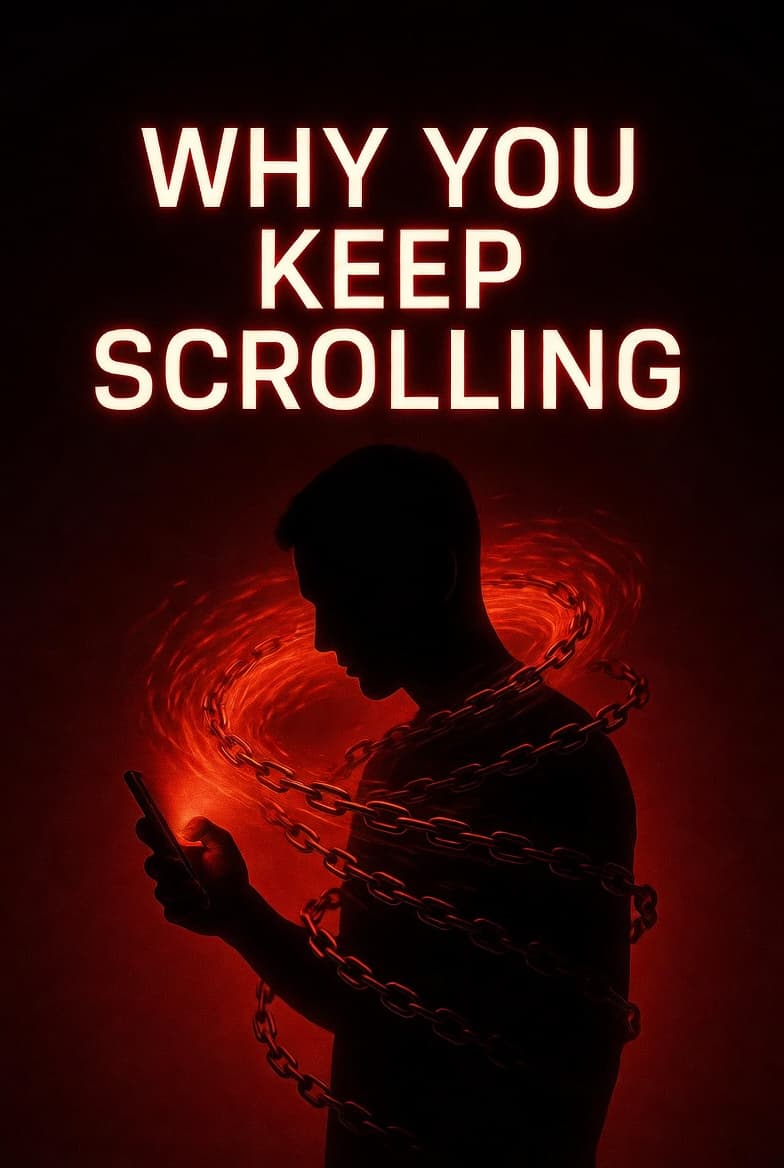
Most people do not lack effort. They lack direction.
Their days are full—messages, tasks, meetings, updates, small completions. There is constant movement. But when you step back, something feels off. Despite all this activity, the outcomes do not meaningfully change.
This is the busyness illusion.
It happens when activity becomes a substitute for progress. You complete tasks, respond quickly, stay engaged—and this creates a sense of productivity. But that feeling comes from motion, not from results.
The system reinforces it. Work is often measured by visible effort—how responsive you are, how many tasks you complete, how occupied you appear. So people optimize for what is seen, not for what actually moves things forward.
Over time, this creates a pattern. You stay in motion, but not in direction. You fill time, but do not compound results.
And because everyone around you operates the same way, it feels normal.
But normal is not the same as effective.